Introduction
Chargebacks and payment disputes are among the most operationally disruptive and financially damaging challenges in the iGaming sector. Whether the platform offers sports betting, online casino, poker, or skill-based contests, disputes can erode margins, increase fraud exposure, and strain relationships with payment processors.
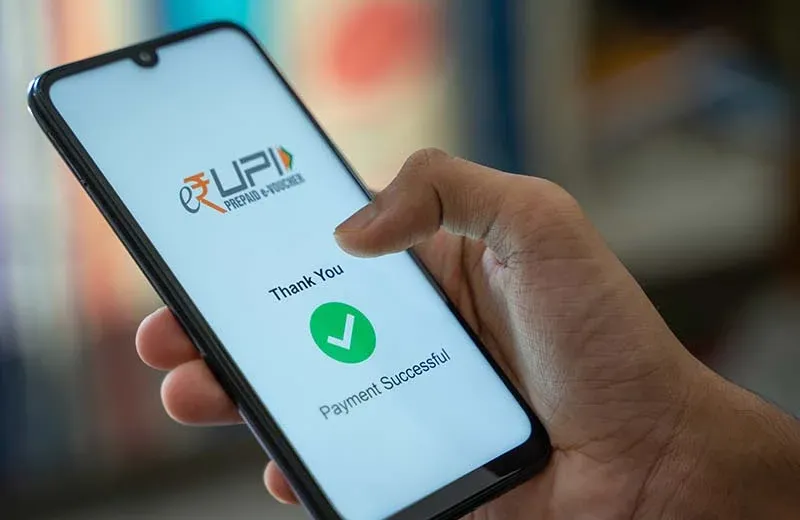
For operators targeting high-growth markets such as India, where UPI, digital wallets, and card payments coexist, understanding chargeback mechanics is critical to maintaining compliance, liquidity, and long-term sustainability.
This guide explains how chargebacks work, why they occur in iGaming, and how operators can mitigate associated risks.
What Is a Chargeback?
A chargeback occurs when a player disputes a transaction with their bank or card issuer instead of requesting a refund directly from the gaming operator. The issuing bank temporarily reverses the transaction and initiates an investigation.
Chargebacks were originally designed as consumer protection tools for fraudulent card activity. However, in iGaming, they are frequently used in cases of dissatisfaction, bonus disputes, or so-called “friendly fraud.”
Unlike simple refunds, chargebacks involve payment networks and often trigger additional penalties or monitoring thresholds.
The Chargeback Lifecycle in iGaming
The dispute process typically follows several stages:
• Player contacts their issuing bank
• Bank initiates retrieval request
• Funds are provisionally reversed
• Operator receives dispute notification
• Operator submits representment evidence
• Final ruling is issued
If the operator fails to respond within strict deadlines, the dispute is automatically lost. Even successful representment does not eliminate processing costs or operational overhead.
Common Reasons for Chargebacks in iGaming
Chargebacks in online gaming usually fall into several recurring categories.
Fraud or unauthorised transaction claims are the most frequent, particularly when accounts are accessed without proper authentication controls.
Bonus disputes arise when players misunderstand wagering requirements or withdrawal conditions.
Gambling regret is another major driver, where players attempt to reverse deposits after losses.
Subscription or recurring billing confusion can also trigger disputes when users forget auto-renewal settings.
Understanding these behavioral patterns is essential for designing preventive controls.
Friendly Fraud vs Criminal Fraud
Not all disputes stem from malicious external actors.
Criminal fraud involves stolen cards or compromised accounts. These cases require strong KYC, device fingerprinting, and fraud monitoring systems.
Friendly fraud, however, occurs when legitimate players dispute transactions despite having authorised them. This is common in high-volatility gaming environments where emotional responses follow financial losses.
Friendly fraud is particularly challenging because the transaction was technically valid.
Payment Methods and Chargeback Risk
Risk exposure varies significantly by payment rail.
Card payments carry formal chargeback rights under Visa and Mastercard rules. Excessive chargeback ratios can result in monitoring programs, fines, or even merchant termination.
UPI and digital wallet transactions in India generally do not follow traditional card chargeback frameworks but may still involve dispute processes through banks or wallet providers.
Cryptocurrency transactions typically do not allow chargebacks, which reduces reversal risk but increases consumer protection scrutiny.
Operators must tailor risk mitigation strategies to each payment channel.
Chargeback Ratios and Compliance Thresholds
Payment networks monitor merchant chargeback ratios closely.
Exceeding defined thresholds can lead to:
• Higher processing fees
• Mandatory remediation programs
• Financial penalties
• Termination of merchant accounts
For iGaming operators, maintaining chargeback ratios below network monitoring thresholds is a key compliance KPI.
Risk scoring models, player segmentation, and transaction monitoring systems are essential in maintaining acceptable dispute rates.
Operational Impact on iGaming Businesses
Chargebacks affect more than just revenue.
Each dispute generates administrative workload, documentation requirements, and potential reputational risk with acquirers.
High dispute volumes can also signal weak onboarding controls, unclear bonus communication, or inadequate responsible gaming safeguards.
In regulated markets, persistent dispute issues may attract regulatory scrutiny.
Preventing Chargebacks: Best Practices for Operators
Effective prevention requires a multi-layered approach.
Clear bonus terms and wagering requirements reduce misunderstanding-driven disputes.
Strong KYC and identity verification help prevent unauthorised use claims.
Two-factor authentication reduces account takeover risk.
Transparent transaction descriptors on bank statements prevent confusion about merchant identity.
Proactive customer support that resolves refund concerns quickly can often stop disputes before they escalate to issuing banks.
The Role of Responsible Gaming Controls
Responsible gaming tools indirectly reduce chargeback exposure.
Deposit limits, cooling-off periods, and self-exclusion features reduce emotional disputes triggered by impulsive losses.
Players who feel supported and informed are less likely to escalate complaints into formal payment disputes.
From a compliance standpoint, responsible gaming is both a consumer protection measure and a financial risk management strategy.
Representment Strategy and Evidence Management
When disputes occur, evidence quality determines the outcome.
Operators must maintain:
• IP logs
• Device identifiers
• Timestamped transaction records
• KYC documentation
• Acceptance of terms and conditions
Structured evidence submission increases the likelihood of successfully overturning invalid claims.
Automation tools and dispute management platforms can streamline this process and reduce administrative costs.
Future Trends: AI and Fraud Detection in iGaming Payments
Artificial intelligence is increasingly used to detect risky transactions before disputes occur.
Behavioral analytics, real-time transaction scoring, and anomaly detection models help flag high-risk deposits.
As India and other emerging markets expand their iGaming ecosystems, payment risk technology will become a competitive differentiator.
Operators that invest in advanced fraud prevention will maintain healthier processor relationships and lower operational volatility.
Final Thoughts
Chargebacks and payment disputes are unavoidable in iGaming, but they are manageable with the right systems and governance framework.
Clear communication, strong authentication, structured compliance processes, and proactive customer support significantly reduce dispute rates.
For operators entering high-growth digital payment markets, payment risk management must be treated as a strategic priority, not just an operational afterthought.
If you’re looking for a secure and transparent gaming experience built on robust payment infrastructure and responsible practices, explore Sky365 Casino and enjoy a platform designed with both player protection and financial integrity in mind.