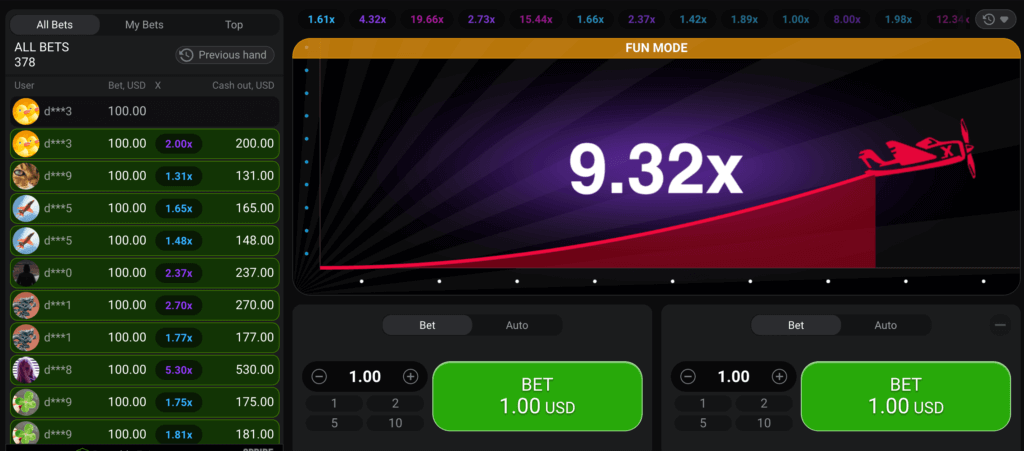
Regulatory changes across India and in major offshore markets are reshaping how popular skill-and-chance games like Aviator, online rummy, and casino titles operate. Whether driven by state-level gambling laws, payment restrictions, or international compliance standards, these new rules affect players, operators and aggregators. Understanding the impacts helps players stay compliant and helps operators adapt product, payment and marketing strategies.
What’s changing now
- State-level bans and variations: Several Indian states continue to refine laws distinguishing “games of skill” (often exempt) from “games of chance.” This patchwork creates legal uncertainty for nationwide platforms.
- Payment and KYC tightening: Banks and payment processors are increasing scrutiny of gambling-related transactions. KYC (Know Your Customer) and AML (Anti-Money Laundering) checks are becoming more rigorous.
- Offshore licensing implications: Operators licensed in jurisdictions like Malta, Curacao, or Isle of Man face new reporting requirements and must ensure geofencing and age verification.
- Advertising restrictions: Stricter ad rules limit promotional campaigns, require clearer risk/disclaimer messaging, and ban targeting minors.
- Consumer protection mandates: Regulators push for features like deposit limits, cooling-off periods, and visible RTP (Return to Player) or odds disclosure.
Impact on specific games
- Aviator (crash-style games):
- Volatility and fairness scrutiny grows; regulators demand provable fairness (e.g., audited RNGs, provably fair algorithms).
- Limits on bet sizes or session lengths may be introduced to reduce problem gambling risks.
- Geofencing and IP-based restrictions restrict availability in certain states.
- Online Rummy:
- Often classified as a game of skill in many states, but legal status varies; increased KYC and source-of-funds checks complicate deposits/withdrawals.
- Tournaments may face prize caps or reporting obligations.
- Platforms may need to publish algorithms or methodologies proving skill elements.
- Traditional casino games (slots, roulette, blackjack):
- Stronger licensing and auditing requirements for RTP and RNG certification.
- Payment blocks in some regions push operators to add alternative deposit methods (e-wallets, vouchers).
- Promotional constraints reduce aggressive bonus models, shifting focus to loyalty programs and content quality.
Operational consequences for operators
- Product changes: Operators may tweak game mechanics (lower max bets, enforced breaks), add transparency features, and integrate responsible-gaming tools.
- Compliance costs: Increased spend on legal teams, compliance officers, third-party auditors and KYC/AML vendors.
- Market strategy: Operators might focus on states and countries with clearer regulations, or pivot to skill-focused offerings and social/gamified casino formats.
- Tech investments: Geolocation, IP blocking, device fingerprinting, and secure payment integrations become priority.
Player experience and behavior
- Friction in onboarding: Longer verification and slower payouts frustrate new users.
- Shift in play patterns: Players may move from real-money modes to social or play-money versions, or migrate to offshore platforms with less restrictive flows.
- Demand for transparency: Players increasingly expect clear RTPs, proof of fairness and visible safety tools (self-exclusion, deposit limits).
Compliance best practices for operators
- Maintain clear legal opinions for each Indian state and key markets.
- Implement robust KYC/AML that balances conversion with compliance.
- Publish fair-play audits and RTP disclosures.
- Introduce responsible gaming features by default.
- Adapt marketing to comply with local ad rules and avoid targeting vulnerable groups.
Opportunities amid regulation
- Differentiation through trust: Operators that prioritize compliance, transparency and player safety can build stronger brands and long-term user retention.
- New product niches: Focus on skill-based tournaments, fantasy contests, and gamified experiences that face fewer restrictions.
- Partnerships: Work with regulated payment providers and local affiliates to ensure smoother operations.
Illustrative scenario
- A platform running Aviator reduces max bet and adds mandatory 15-second cooldowns after five consecutive plays. They publish third-party fairness audits and integrate e-wallet deposits. Result: slight drop in short-term revenue but improved retention and lower chargeback rates.
If you want a reliable platform that adapts to new regulations while offering a secure gaming experience, check out Sky365 Casino for curated games, verified fairness and responsible-gaming features.