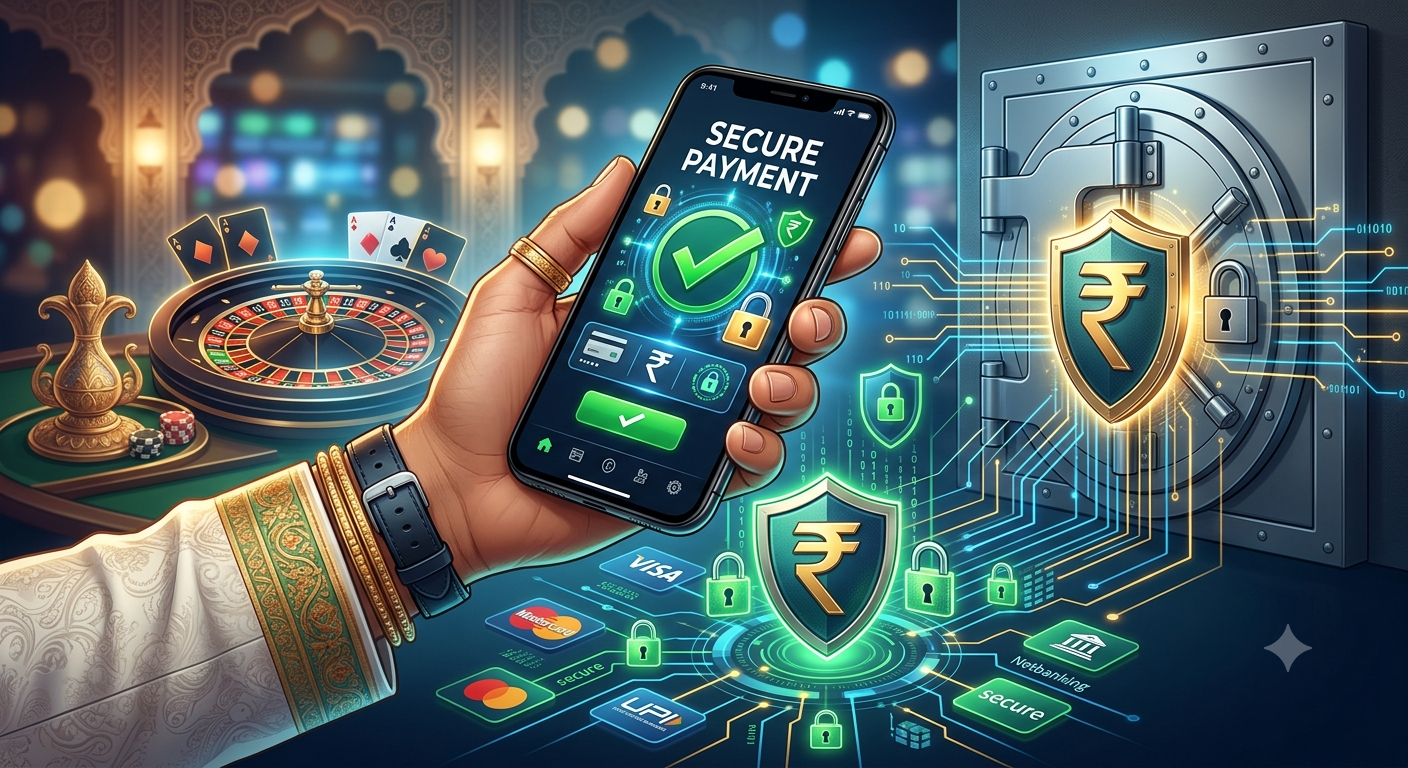
This educational guide explains online casino payment security for Indian players, covering UPI, debit and credit cards, e-wallets, bank transfers, encryption, two-factor authentication, fraud prevention, transaction verification, withdrawal security, and responsible money management. The article is intended for educational purposes and does not endorse any particular casino operator or payment method.
Online casino payments have become increasingly convenient in India. Players can now encounter a range of payment options, including UPI, cards, bank transfers, and digital wallets.
However, convenience should always be accompanied by security awareness. Understanding how payment systems work and how to identify suspicious activity can help users protect their financial information.
This guide explores the most important online casino payment security practices for Indian players in 2026.
Why Payment Security Matters
Online transactions involve sensitive information, including:
- Bank account details.
- Card information.
- Mobile numbers.
- Transaction records.
- Personal identification data.
Poor security practices can increase the risk of fraud, phishing, or unauthorized transactions.
UPI Payments
UPI has become one of India’s most widely used digital payment systems.
Security features can include:
- UPI PIN authentication.
- Bank-level transaction verification.
- Mobile device authentication.
Players should always verify payment details before approving a transaction and never share their UPI PIN with anyone.
Debit and Credit Cards
Card payments remain a common online payment option.
Good security practices include:
- Using secure websites.
- Avoiding suspicious payment links.
- Enabling transaction notifications.
- Reviewing bank statements regularly.
Never share your card PIN or one-time password with another person.
Digital Wallets
E-wallets can provide an additional layer of separation between a bank account and an online platform.
Before using a digital wallet, users should verify:
- The provider’s reputation.
- Available security features.
- Transaction limits.
- Account recovery procedures.
Two-factor authentication can further improve account protection.
Bank Transfers
Bank transfers may be used for larger transactions, depending on the platform and applicable regulations.
Users should verify:
- Recipient details.
- Transaction references.
- Withdrawal requirements.
- Processing times.
Keeping transaction records can help resolve disputes.
Encryption and HTTPS
Secure websites use encryption to protect information transmitted between the user’s device and the platform.
Before entering payment details, check for:
- HTTPS.
- A secure browser connection.
- Correct website spelling.
A secure connection does not automatically guarantee that a platform is trustworthy, so users should also conduct independent research.
Two-Factor Authentication
Two-factor authentication adds an additional layer of security.
Instead of relying solely on a password, users may also need:
- An OTP.
- An authentication app.
- Biometric verification.
This can reduce the risk of unauthorized access.
Recognising Payment Scams
Common warning signs include:
- Requests for passwords or PINs.
- Fake customer-support accounts.
- Unexpected payment links.
- Pressure to make urgent transfers.
- Promises of guaranteed withdrawals.
Legitimate customer service should never request confidential authentication credentials.
Withdrawal Security
Withdrawal processes may include identity and transaction verification.
Players should review:
- Verification requirements.
- Processing times.
- Available withdrawal methods.
- Transaction limits.
Understanding these procedures in advance can help avoid confusion.
Account Security Best Practices
Users should:
- Use unique passwords.
- Enable 2FA.
- Avoid sharing login details.
- Keep devices updated.
- Monitor account activity.
These simple steps can significantly improve account security.
Public Wi-Fi Risks
Public Wi-Fi networks may expose users to security risks.
When making financial transactions:
- Prefer trusted networks.
- Avoid unknown hotspots.
- Use mobile data when appropriate.
- Confirm that websites use HTTPS.
Payment Notifications
Transaction alerts can help users detect unusual activity quickly.
Enable notifications for:
- Deposits.
- Withdrawals.
- Login attempts.
- Password changes.
Early detection can help limit potential losses.
Responsible Financial Management
Payment security also involves managing money responsibly.
Users should:
- Set personal spending limits.
- Use discretionary funds only.
- Keep financial records.
- Avoid chasing losses.
Online casino gaming should remain an entertainment activity.
Technology Trends in 2026
Payment security continues evolving through:
- Biometric authentication.
- AI-powered fraud detection.
- Real-time transaction monitoring.
- Tokenised payment data.
- Advanced encryption.
These technologies aim to improve both convenience and security.
Conclusion
Secure online payments require more than choosing a convenient payment method. Indian players should protect their accounts, verify payment information, use strong authentication, monitor transactions, and remain alert to phishing and fraud attempts.
Whether using UPI, cards, e-wallets, or bank transfers, responsible digital habits can help create a safer online payment experience throughout 2026.