The Indian Real-Money Gaming (RMG) sector has faced a rollercoaster of legislative shifts leading into 2026. With the central government’s tightening grip on “games of chance” and the 28% GST impact, the industry has split into two worlds: regulated skill-based platforms and the offshore gray market.
Understanding how these bans affect your favorite titles is crucial for navigating the 2026 gaming ecosystem safely.
1. Aviator: The “Crash Game” Regulation Crisis
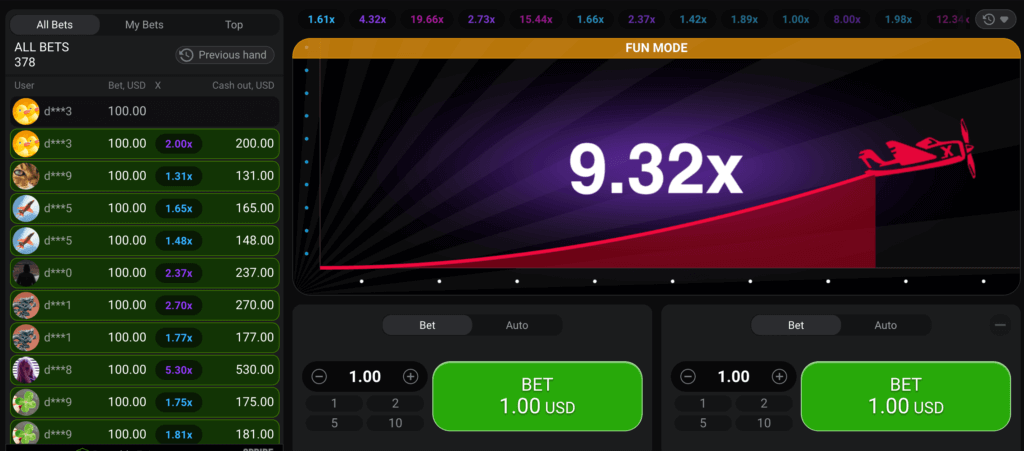
Aviator has become the face of the “Crash Game” phenomenon in India. However, because its outcome is perceived as being driven by a Random Number Generator (RNG) rather than pure skill, it has faced the brunt of state-level bans.
- Current Status: Classified as a “Game of Chance” in several southern states.
- The Impact: Domestic Indian apps have largely removed Aviator to avoid heavy penalties. Consequently, players have migrated to international platforms that operate under global licenses, offering more privacy and better multipliers.
- The 2026 Trend: A shift toward “Social Crash Games” where no money is involved, while real-money enthusiasts stick to established global brands.
2. Rummy: The Traditional “Skill” Battle
Despite Supreme Court rulings historically favoring Rummy as a “Game of Skill,” the 2026 regulatory environment has introduced a “Uniform Gaming Code.”
- The Conflict: States like Tamil Nadu and Telangana continue to challenge the skill-based classification.
- The Impact: Mandatory Aadhaar-linked KYC is now the industry standard. High-stakes tables have seen a 15% decline in domestic traffic due to the 28% GST being levied on the full face value of bets, making international “Rummy variants” more lucrative for pro players.
3. Fantasy Sports: Survival of the Giants
Fantasy sports (Cricket, Kabaddi, Football) remain the most “protected” RMG sector in India, yet they aren’t immune to the ban-fever.
- The Impact: Smaller startups have shuttered due to the inability to absorb tax costs. The “Big Three” platforms now dominate 90% of the market.
- The Shift: To bypass the “Real Money” stigma, many platforms have pivoted to Web3 rewards or digital collectibles (NFTs) to offer value that isn’t strictly classified as “currency” under the 2026 RMG Act.
FAQ: What You Need to Know in 2026
Is online gaming banned in India in 2026?
No, it is not a blanket ban. Online gaming is legal but highly regulated. Individual states have the power to ban specific formats (mostly Games of Chance), while Games of Skill remain protected under federal guidelines.
Can I still play Aviator safely?
Yes, but you must choose platforms that operate outside the restrictive domestic GST net. Look for platforms with international certifications (like Curacao or MGA) that still accept Indian payment methods like UPI and IMPS.
Why did the GST change affect my winnings?
In 2026, the 28% GST on entry fees means that for every ₹100 you deposit, a significant portion goes to the treasury before you even place a bet. This has made offshore platforms more attractive as they offer “Tax-Free” gaming environments.
Conclusion: Adapting to the New Rules
The 2026 RMG ban hasn’t stopped the passion for gaming in India; it has simply evolved it. While domestic apps struggle with high taxes and state-level hurdles, the savvy Indian player is moving toward robust, global platforms that offer a wider variety of games like Aviator and Rummy without the legislative headache.
Looking for a platform that stays ahead of the curve?